
境内华人读者来稿|微观图博,一点往事 A Letter from a Mainland Chinese Reader: A Glimpse into Tibet, Some Memories
他们真的闹过所谓独立吗?这里真的发生过震惊世界的大规模冲突吗?若真发生过,藏族应该仇视我们,排挤我们才对啊。可这些年,不论是人迹罕至的延延旷野,还是繁盛祥和的拉萨,没有一个人针对过我,反之,竟有无数藏族待我如家人般亲善,怎么可能呢?

文:周率
By Zhou Lv
2008年,北京奥运会前夕的一堂课上,老师跟我们说:“新疆人和西藏人在闹独立,法国人认为中国占领了藏人的国家,很多高校学生在家乐福门口游行示威,同学们不要去参与……”新疆和西藏太远了,远到只能套用中共历史教科书的概念去理解。持续几年,我都死板的认为这类事件是偏远地区远离现代化的野蛮少数民族不服中央管理产生的矛盾冲突。
In the days leading up to the Beijing Olympics in 2008, during a class, our teacher told us: “The people in Xinjiang and Tibet are demanding independence, and the French believe China has occupied Tibetan’s country. Many university students are protesting outside Carrefour. Students, don’t get involved…”

Xinjiang and Tibet are so distant—so far that I could only understand them through the concepts given by the CCP’s history textbooks. For several years, I rigidly believed that these kinds of incidents were simply conflicts caused by “barbaric minorities in remote areas” who refused to accept central government management and modernity.
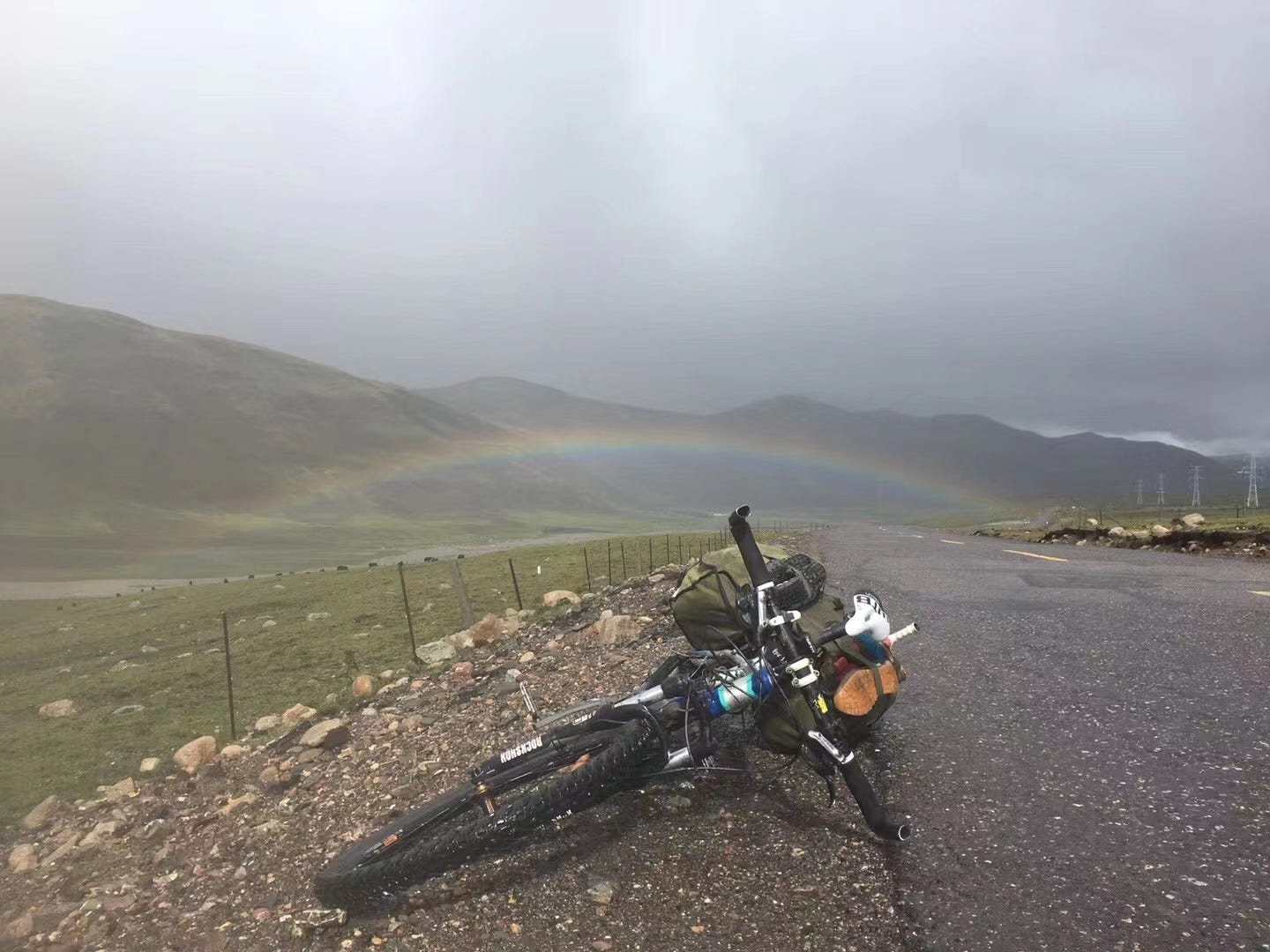
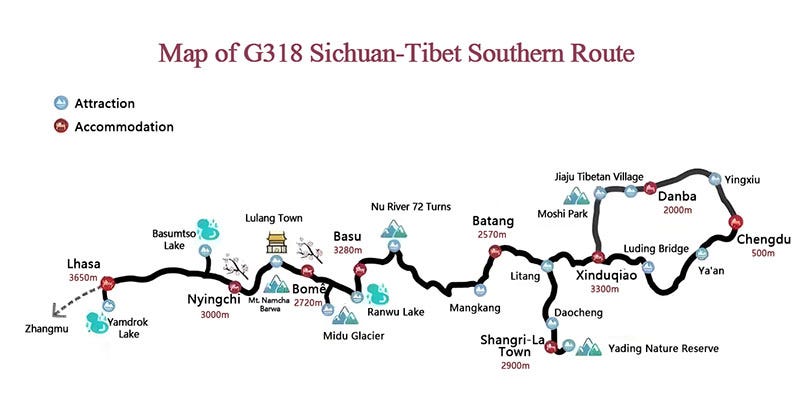
2013年,在318国道初遇藏族,对他们的刻板印象在一声声热情呼喊的“扎西德勒”中全部打消了。“扎西德勒”是一句祝福,他们用祝福跟我们这些长相、语言完全不同的外来人打招呼,我喜欢他们,很快便融入了这友善的氛围中,也在往后多年的旅行中习惯着这美好。
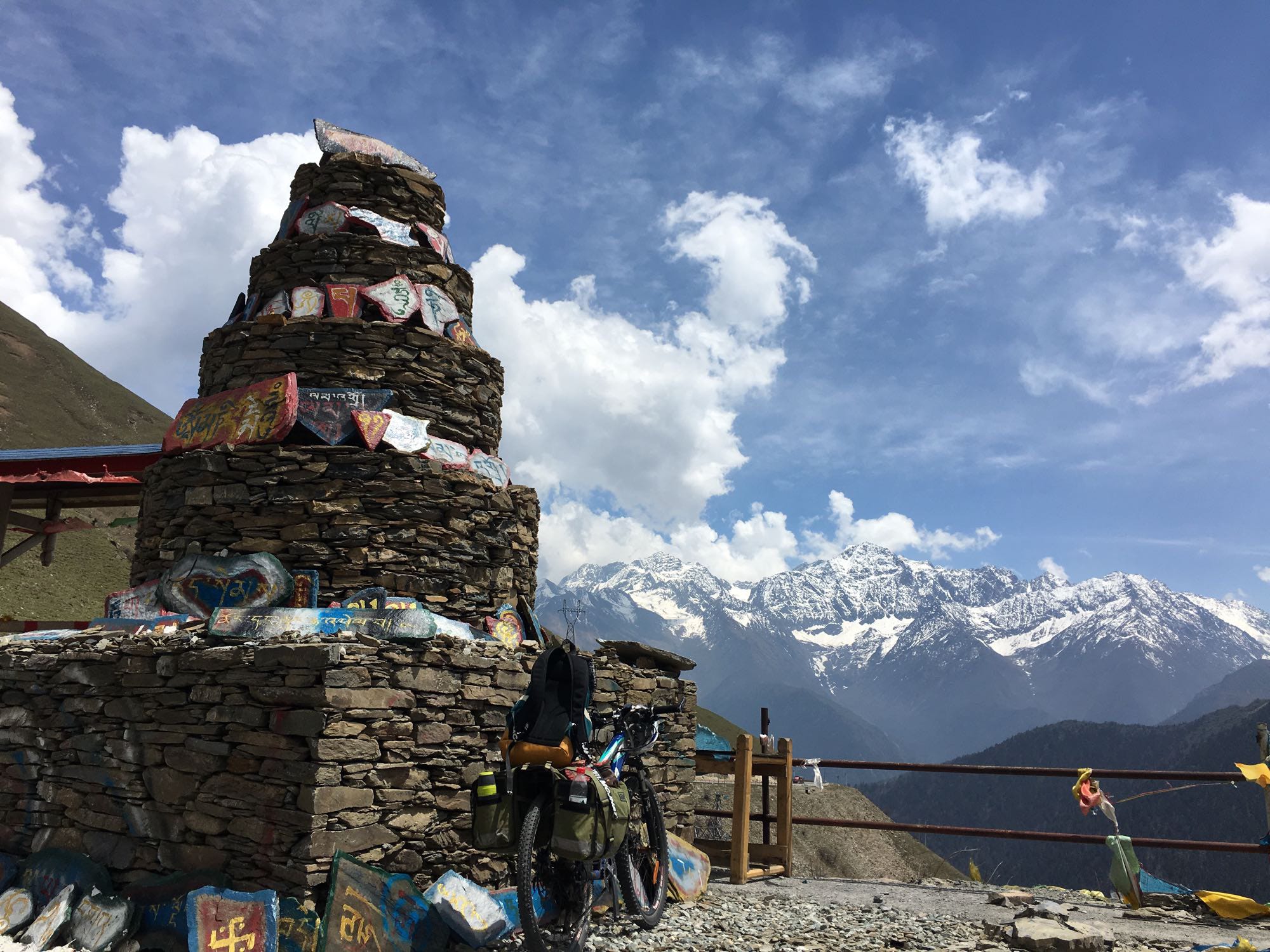
In 2013, I first encountered Tibetans along China National Highway 318, and all my stereotypes were erased by their enthusiastic cries of “Tashi Delek.” “Tashi Delek” is a blessing; they used blessings to greet outsiders like us, whose appearance and language are so different from theirs. I liked them and quickly blended into this friendly atmosphere, and in the years of travel that followed, I became accustomed to this beauty.
他们真的闹过所谓独立吗?这里真的发生过震惊世界的大规模冲突吗?若真发生过,藏族应该仇视我们,排挤我们才对啊。可这些年,不论是人迹罕至的延延旷野,还是繁盛祥和的拉萨,没有一个人针对过我,反之,竟有无数藏族待我如家人般亲善,怎么可能呢?曾经的新闻不会是编的吧?我经常思考这些问题,也能朦胧的意识到,这是一个系统性的历史话题,跟他们深厚的文化似的,不是靠道听途说和那点书籍资料能够了解到的。
Did they really ever stage a so-called independence movement? Did large-scale conflicts that shocked the world really happen here? If they did, then the Tibetans should harbor resentment towards us, even reject us. But over the years, whether in the remote and desolate wilderness or the peaceful and prosperous Lhasa, not a single person has targeted me. On the contrary, countless Tibetans have treated me with the warmth and kindness of family. How is that possible? Could those past news reports have been fabricated? I often think about these questions, and I vaguely realize that this is a deeply systemic historical issue—something as profound as their culture—one that can’t be truly understood through hearsay or a few written sources.
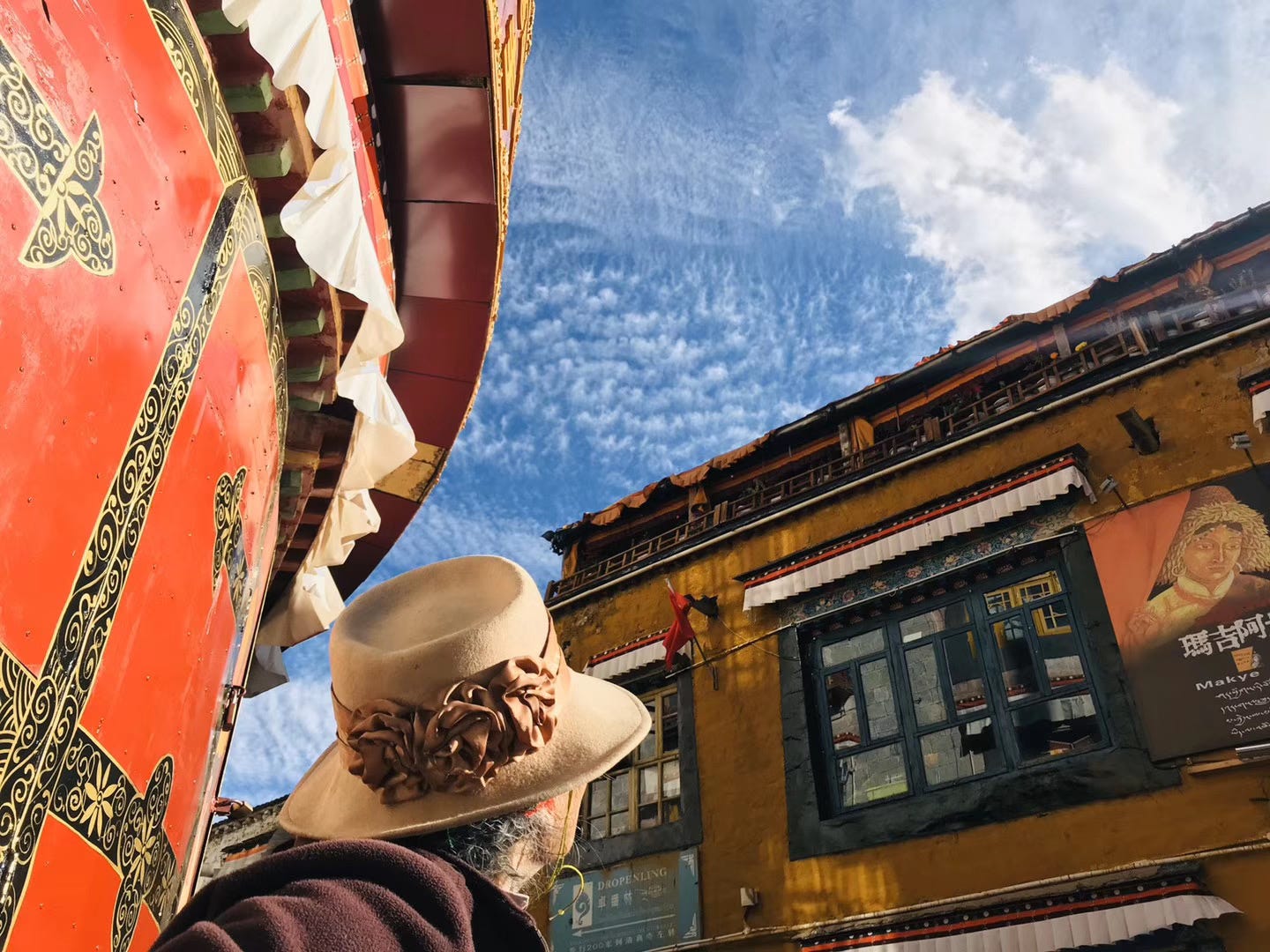
2019年于拉萨常住,生活期间,每日游走于几家茶馆、八廓街、冲赛康和清真寺,我一直享受着这骄阳下的许许美好,习惯着平静祥和的生活。直到有一天,走到八廓街一处安检口,我看到工作人员拦住一对兄妹,他趾高气昂的用轻蔑的口气吆喝着:“没身份证不能进,出去。” 哥哥十来岁,妹妹三四岁,很小。我怔怔的看着两个孩子无措的站在那,内心也跟着局促起来,与此同时一个观念不由得涌上心头:这是藏族的地方,是他们的家,他们的寺庙,他们信仰佛教已有千年之久,转经朝拜磕头是他们生活的一部分,这儿原本不该有什么安检口,要进是理所应当的,天经地义的,这与我们这些外来人是无关的……
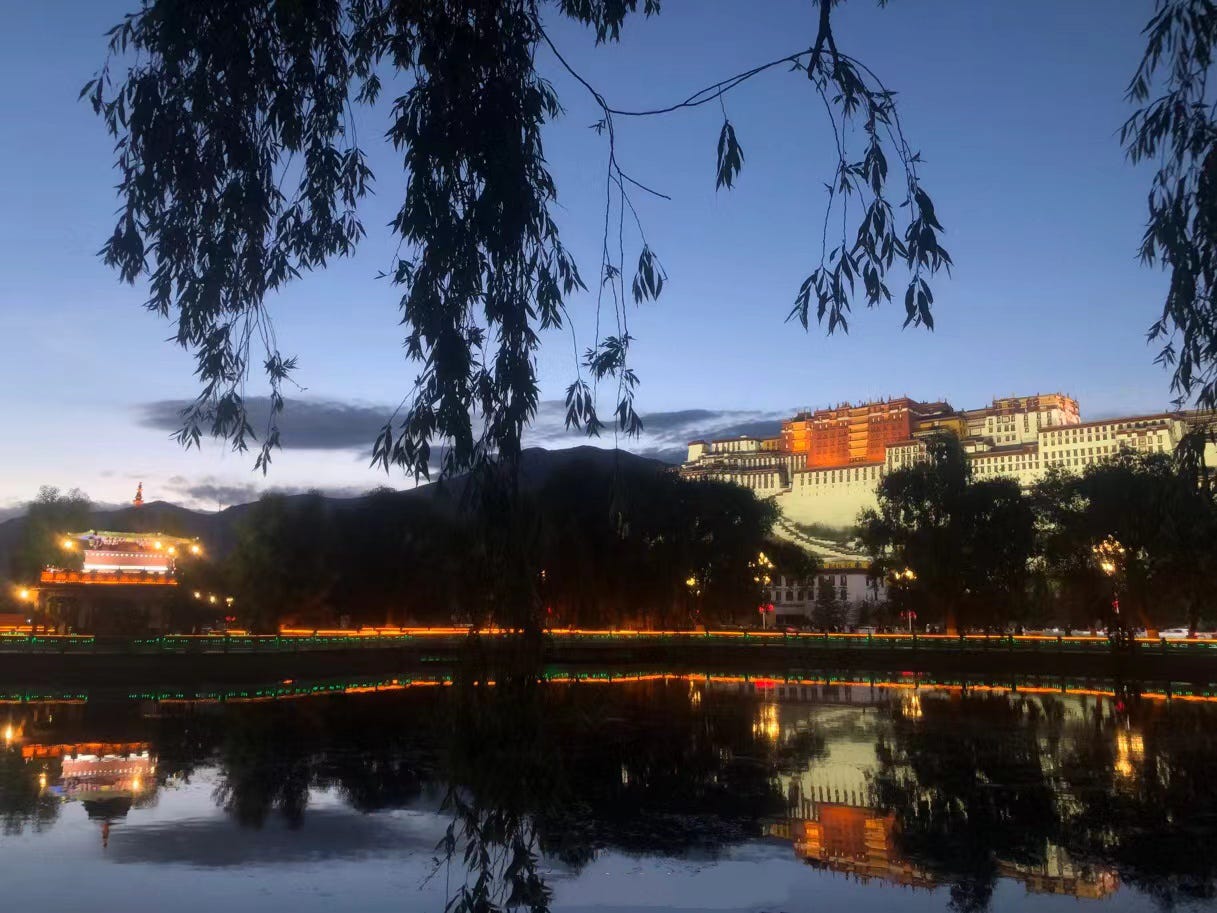
In 2019, while living in Lhasa, I spent my days moving between teahouses, Barkhor Street, Tromzikhang, and the mosque. I was constantly immersed in the simple joys under the radiant sun, gradually getting used to the peaceful and harmonious life there.
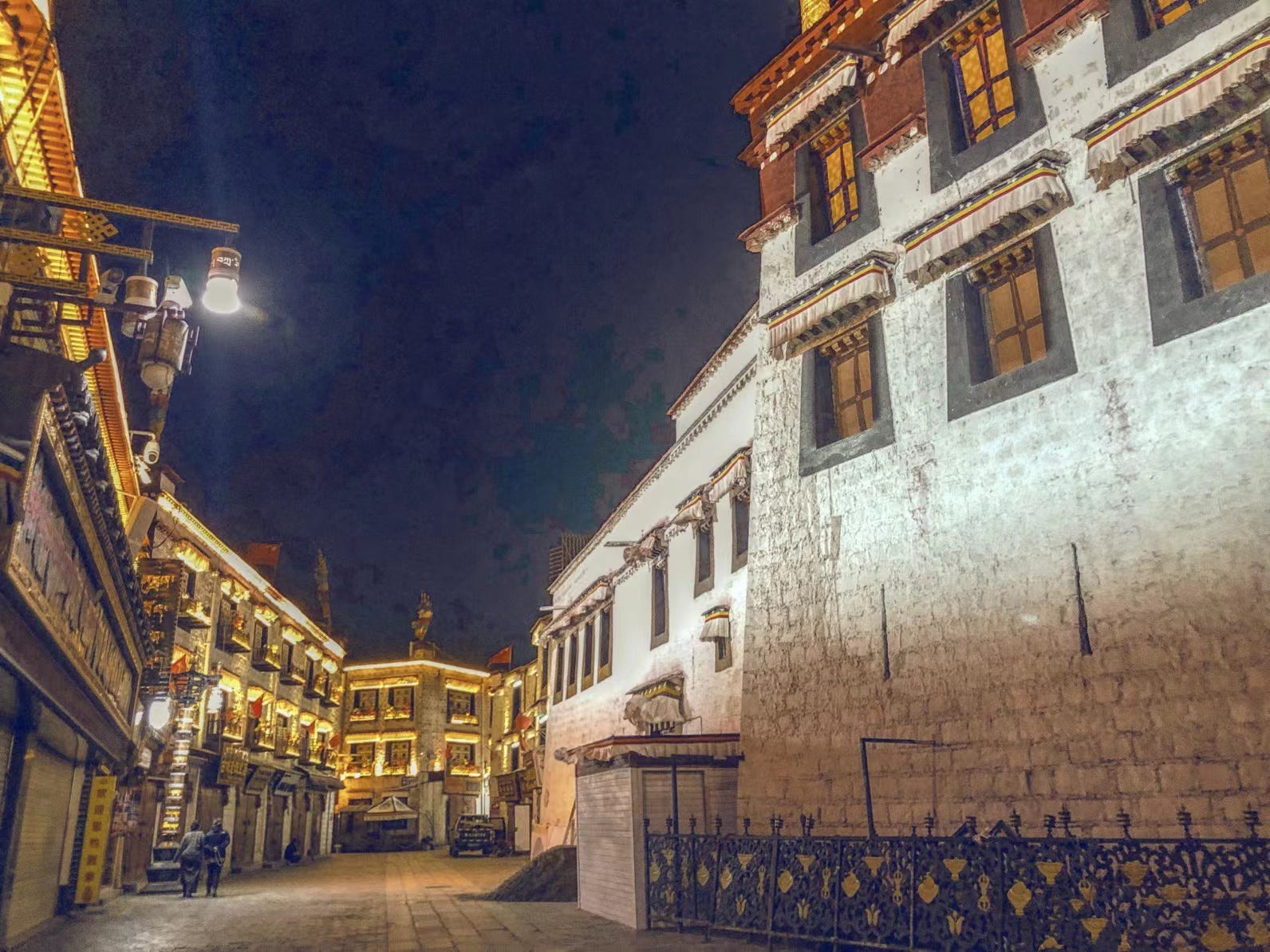
Until one day, as I walked to a security checkpoint near Barkhor Street, I saw staff stopping a pair of siblings. The officer barked condescendingly with a tone of disdain, “No ID, no entry. Get out.” The brother looked around ten years old, and the sister was only about three or four—so young. I stood frozen, watching the two children helplessly standing there, and a sense of unease crept into my heart. At the same time, a thought surged within me: this is a Tibetan place—this is their home, their monastery. They’ve practiced Buddhism for over a thousand years. Circumambulation, pilgrimage, and prostration are part of their everyday lives. There shouldn’t be security checkpoints here. Entry should be natural, rightful—this has nothing to do with us outsiders…
不知什么时候,我走了,好像是被工作人员吓走的,也像是在无能为力的窘迫中做出的逃避。一面走,记忆的碎片一面蜂拥而至:把客栈里镶嵌的绿松石抠走的游客,像拍摄动物一样把相机贴到藏族脸上按下快门的摄影师,巷子里按住喇叭“横冲直撞”的骑行者,像防贼一样搜查人们所有物品的地方安检,侮辱国旗被打死的藏族青年,听到共产党一词就回避的老人,出走的达赖喇嘛和数十万民众,中央认证的十一世班禅喇嘛……
At some point, I walked away—perhaps scared off by the staff, or maybe retreating in the helpless discomfort of knowing I could do nothing. As I walked, fragments of memory flooded in:
Tourists prying turquoise stones from the guesthouse walls.
Photographers pressing their cameras against Tibetan faces like they were photographing animals.
Cyclists blaring their horns and recklessly pushing through the alleys.
Security checkpoints that searched people's belongings as if warding off thieves.
Tibetan youths beaten to death for allegedly disrespecting the national flag.
Elderly people who instinctively avoided the word “Communist.”
The Dalai Lama who went into exile, followed by hundreds of thousands of his people.
The Chinese state-recognized 11th Panchen Lama...
“法国人认为中国占领了他们的国家。”时隔十一年,这句离弦的箭扎实的落在了这儿,此刻我意识到一个严重的问题:我是侵略者,我才是那个野蛮落后的民族。
后面一些日子,我开始变得小心翼翼,面对那些真挚纯朴的面孔开始产生不自觉的自卑,也开始逛寺庙,看佛像。时光转逝中,生活依旧平凡祥和,内心也慢慢归复了平静。
“The French believe that China has occupied tibetan’s country.”
Eleven years later, this arrow shot offhandedly has landed squarely in my heart. At that moment, I became acutely aware of a harsh truth: I am the invader. I am the one from the backward, barbaric people.
In the days that followed, I started to tread more carefully. When facing those sincere and pure Tibetan faces, a subconscious sense of inferiority would creep in. I began visiting temples, looking at Buddha statues. Time passed, and life remained simple and peaceful. Slowly, my inner self returned to calm.
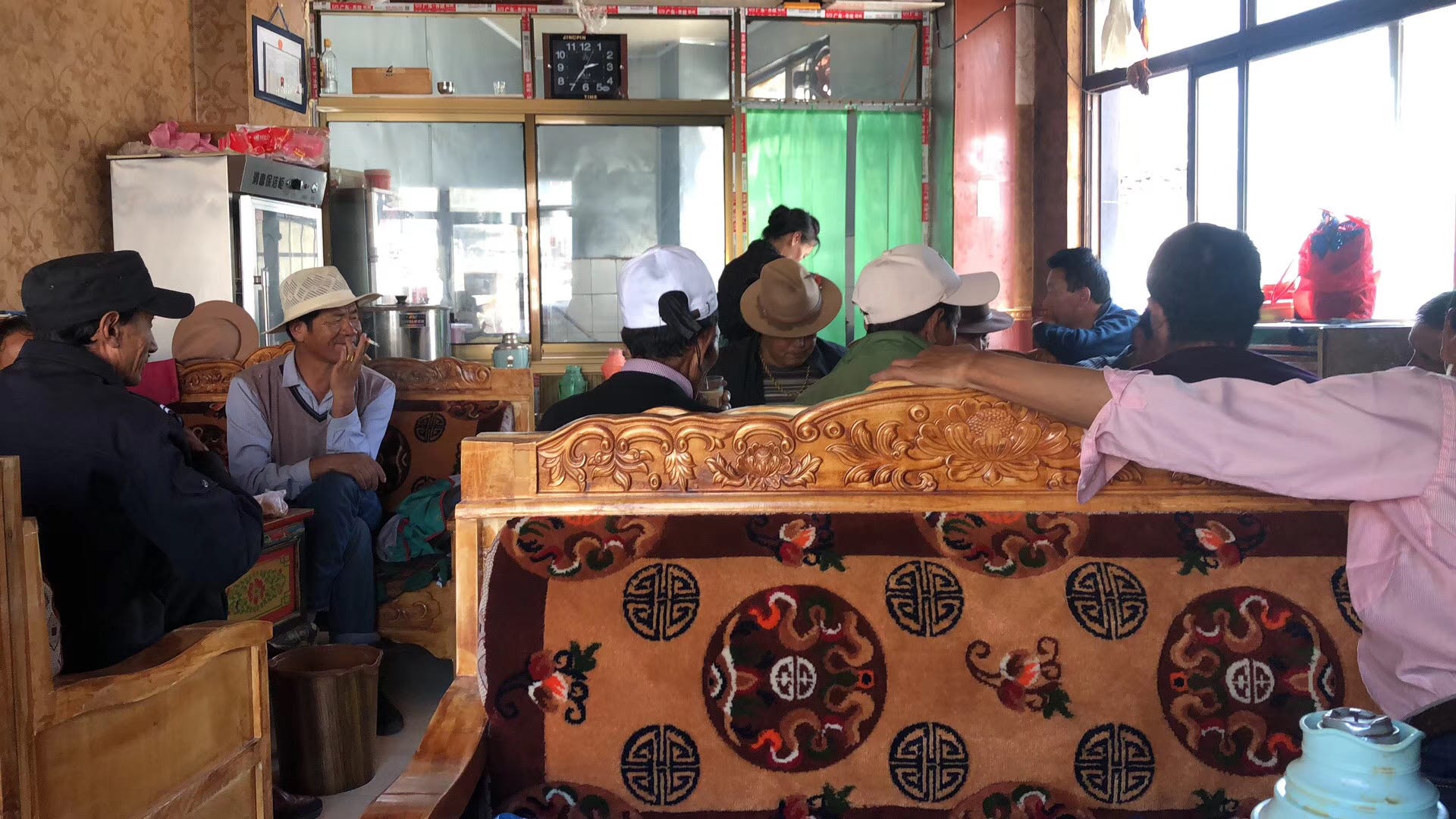
我又在拉萨待了两年,有了更多藏族朋友,这帮人可爱又幽默,他们的思维方式令人着迷,任何观点都有一定深度和冗余,思维通变,立场高尚,包括老人在内,没有见过一个死板的脑袋,他们是那么的有意思,不论是知识交流还是生意合作,一切进度都很流畅。
随着关系的深入,一次偶然的交谈,我才知道当年的文化大革命也肆虐了图博世界,那是一场足以让任何情感支离破碎、一切心理建设分崩离析的反人类恐怖活动。
- “拉萨河里多的是。”慈祥的大叔像哄自家孩子一样微笑着跟我说那些遗失的文物。
- “……扔了,都扔了。”好友口沫横飞,口吻中带有不愿回往的嫌弃。
- “共产党,呜……”不会汉语的爷爷能清晰吐出“共产党”三个字,他面带悲苦,略有失控手舞足蹈地描述着,眼神中满是让我也当心共产党的关切。
- “很多人消失了,没有了,他们不回来了……”朋友不愿说他们去世了,仿佛他们真的只是去了远方。
I ended up staying in Lhasa for another two years and made more Tibetan friends. They were such lovable, humorous people. Their way of thinking was captivating—every opinion carried depth and nuance, their minds were flexible, and their principles noble. Even the elders—none of them had rigid thinking. They were just so interesting. Whether it was intellectual exchange or doing business, everything flowed smoothly.
As our relationships deepened, one day, during a casual conversation, I came to learn that the Cultural Revolution had also ravaged the Tibetan world.
It was a campaign so brutal it could tear apart any emotional foundation, destroy all psychological stability—a truly anti-human atrocity.
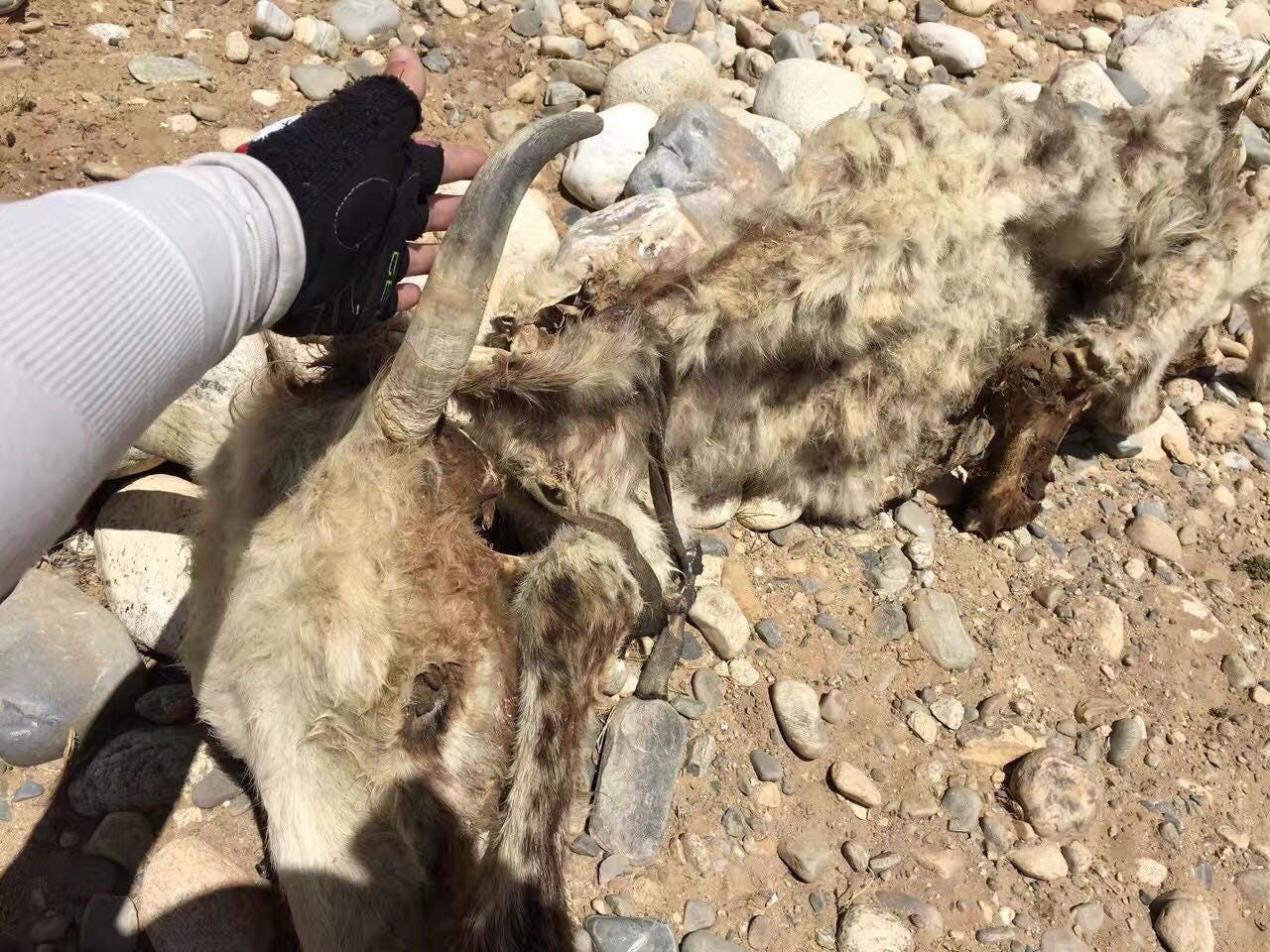
“The Lhasa River is full of them.” said a kindly old man with a gentle smile, as if comforting a child, referring to the lost cultural relics.
“…They were thrown away. All thrown away.” my friend said animatedly, spitting his words out with a tone of disgust, unwilling to dwell on the memory.
“Gong… chan… dang…” Even without speaking Mandarin, a grandfather could clearly pronounce the words “Communist Party,” his face full of sorrow. He flailed his arms slightly, almost losing control, his eyes filled with deep concern—as if warning me to beware of the Party too.
“Many people disappeared. They’re gone. They’re not coming back…” My friend couldn’t bring himself to say they had died, as if believing they had merely gone somewhere far away.
了解这段过往,也终于知道他们恨共产党,恨那段历史,却从不恨任何具体的人。
Learning about this past, I finally understood: they hate the Communist Party, they hate that period of history—but never once have they hated any specific individual.
图博文明哪怕遭遇过惨绝人寰的厄运,也从未对外界滋生仇恨,从来亲爱善良,关护世间所有,待任何生命均是平和,平等之姿态。他们总是关怀弱者,把强大的一面让出给弱势群体,哪怕是一头牦牛,一棵树木;反之,弱势群体和需要帮忙/帮助的人会自然的信任、倚靠身边人。他们的个性总是配得上一切描绘美好品质的词汇,而一切的善意和美德在他们意识中是那么的理所当然。
Even after suffering unimaginable catastrophe, Tibetan civilization has never bred hatred toward the outside world. It remains kind, compassionate, and caring to all beings. It treats every life form with peace and equality. The strong always make room for the weak, even for a yak or a tree. In return, those who are vulnerable or in need naturally turn to others with trust and reliance.
Their character is worthy of all words that describe beauty and virtue—and yet all their kindness and integrity seem to them nothing more than what is natural and obvious.
深谙图博世界,那是生命与自然的完全融合,没有你我之分,我们是一个整体,就像是……地球是一个整体,宇宙是一个整体。
To truly understand the Tibetan world is to realize it is a total fusion of life and nature, where there is no distinction between you and me. We are one. Just as the Earth is one, just as the universe is one.
感谢赐稿,投稿请发邮件到挺藏会邮箱📪
To submit your piece, please send it via email to the CYST's inbox.
编辑 Editor:Tara,Rinchen,GD
图片均来源于原作者