
What is TIPA? And why is that important?
What is Tibetan Institute of Performing Arts?
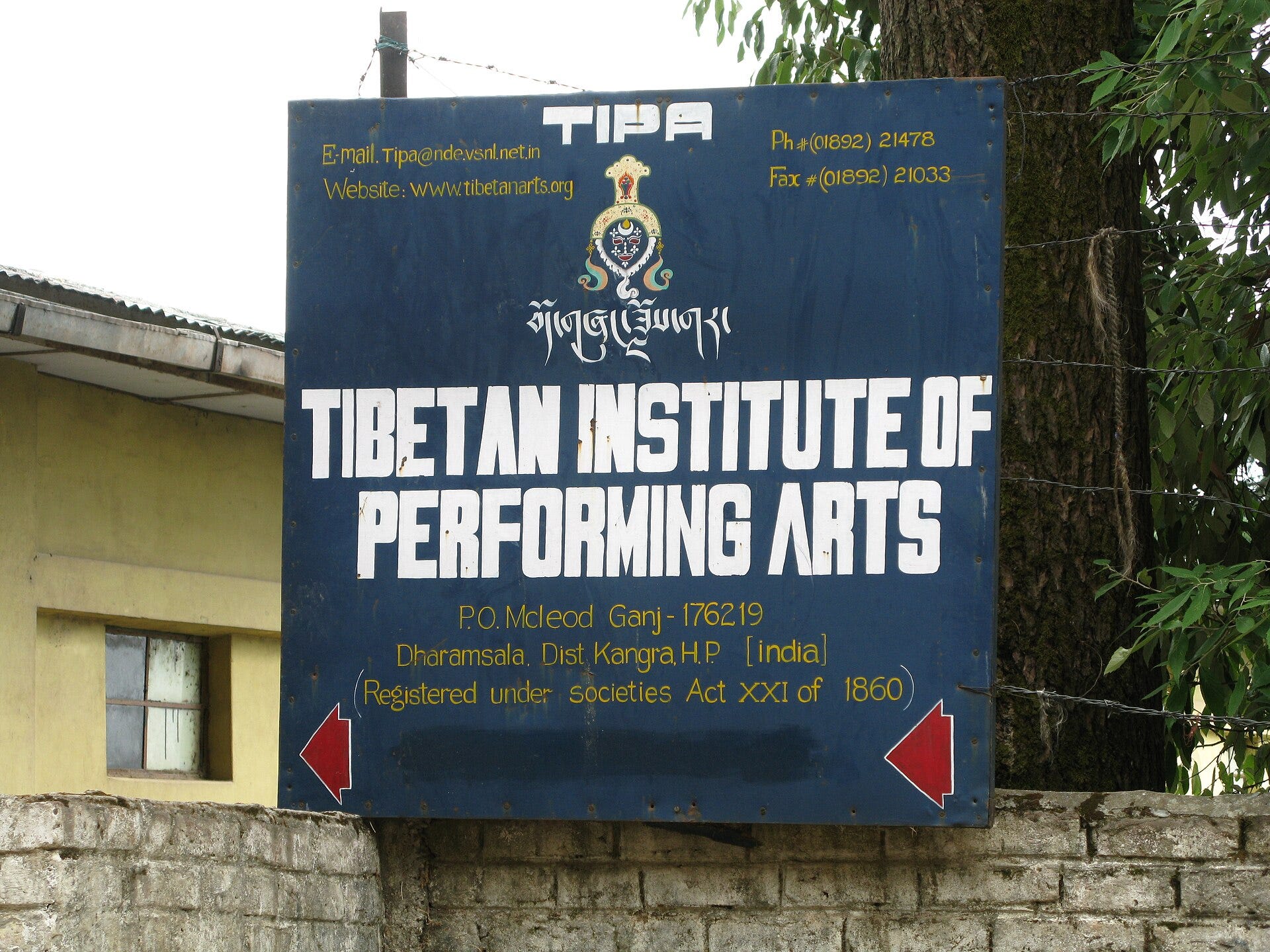
The Tibetan Institute of Performing Arts (TIPA) was originally founded on August 18, 1959, in Kalimpong, India, by the 14th Dalai Lama, Tenzin Gyatso, shortly after he fled to India following China's suppression of the 1959 Lhasa Uprising. The institution was initially named the “Tibetan Music, Dance, and Drama Society” and was among the earliest organizations established by H.H. the Dalai Lama.
TIPA’s founding was a response by the Tibetan exile community to an urgent cultural crisis — Tibet’s traditional performing arts, including music, dance, and drama, faced an existential threat under Chinese Communist rule. The Dalai Lama instructed his assistants to establish the institution, positioning it as one of the earliest civil society organizations within the Tibetan exile community.
Today, TIPA operates as a semi-autonomous body under the Department of Religion and Culture of the Central Tibetan Administration (CTA), and is registered as a legal society under the Indian Societies Registration Act.
TIPA currently employs more than 100 performing artists, composers, choreographers, and actors, and stages performances both in India and abroad. As recently as March 2025, a delegation of over a dozen TIPA members traveled to Taiwan to perform.
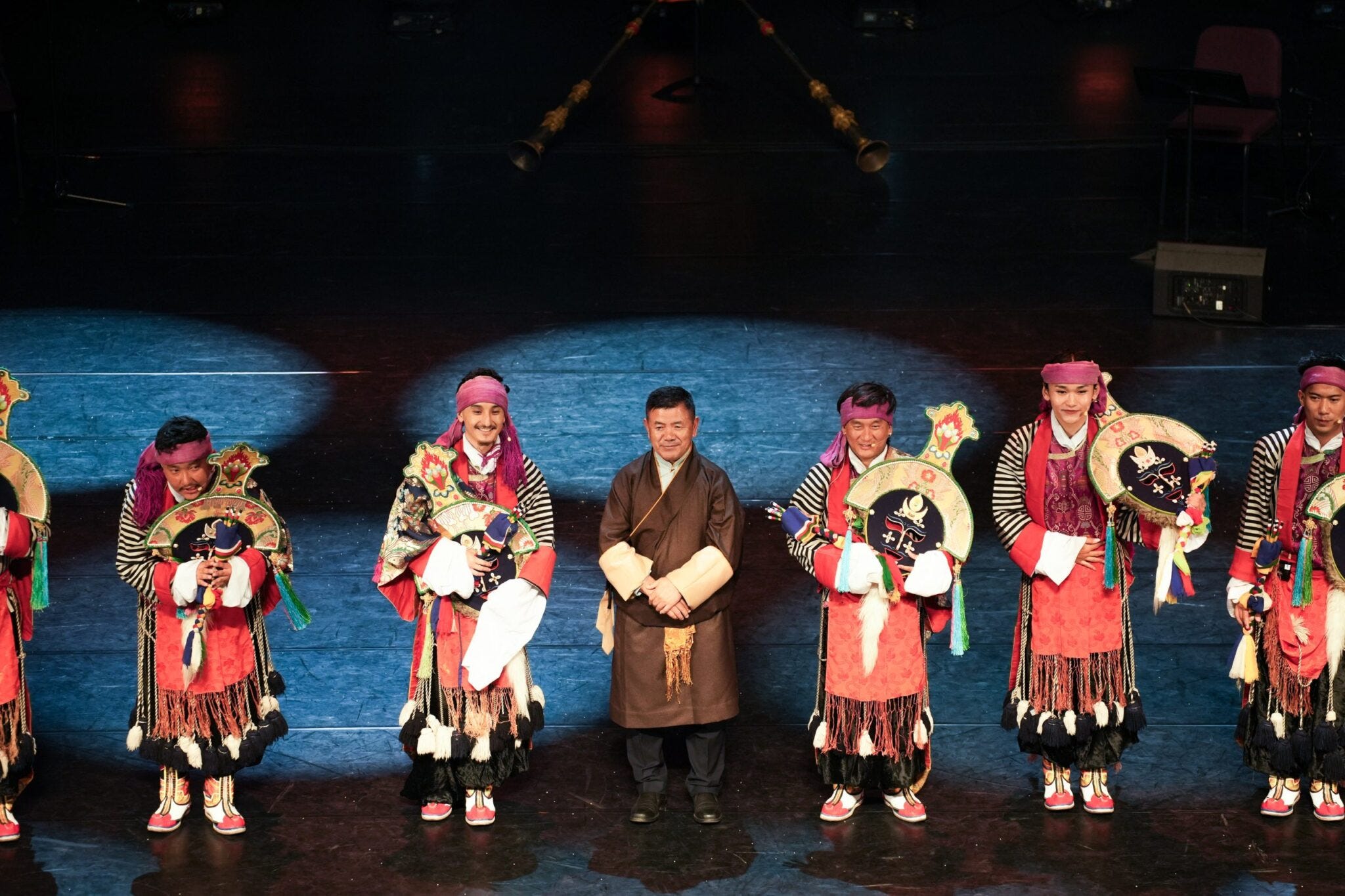
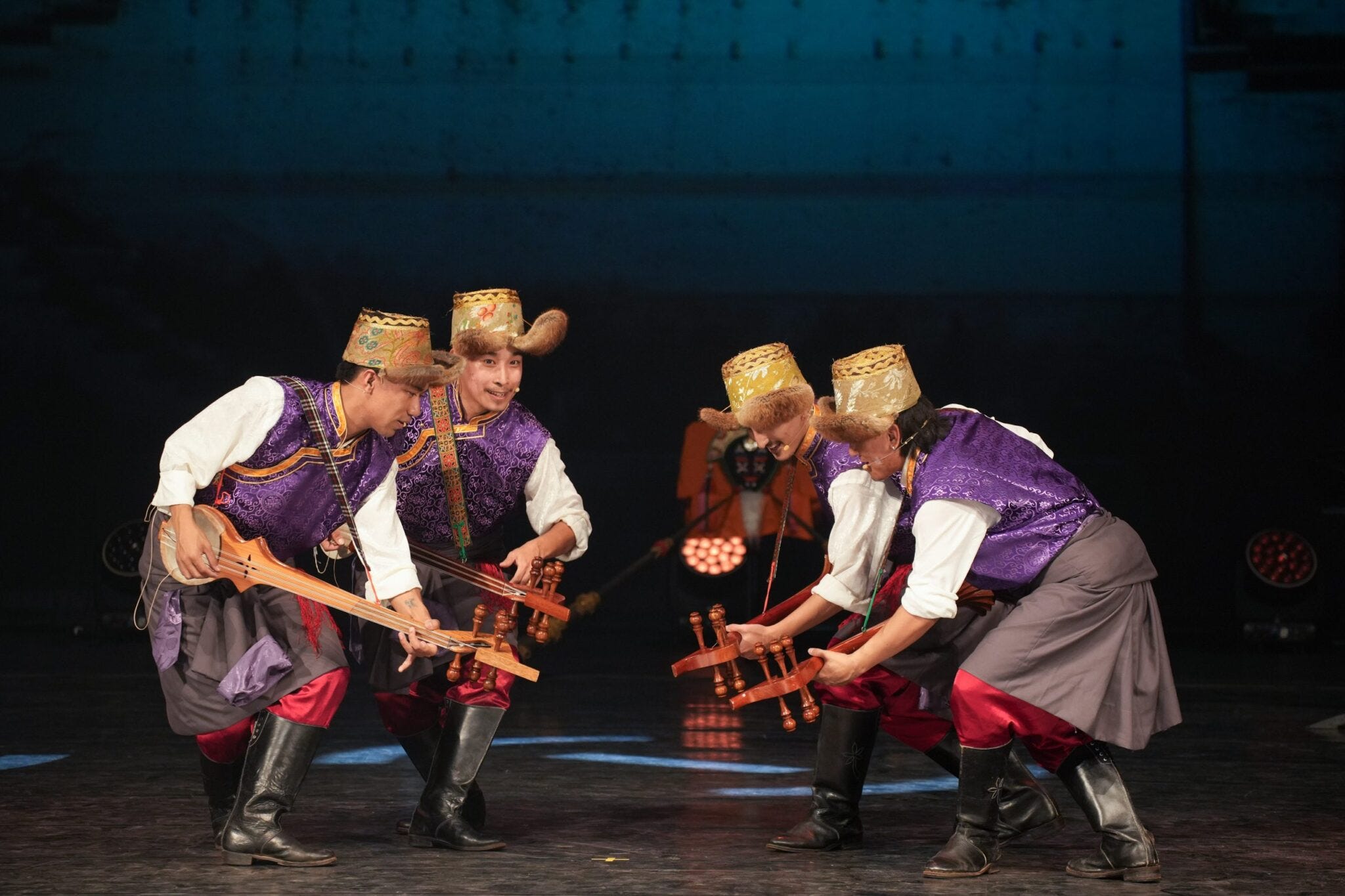
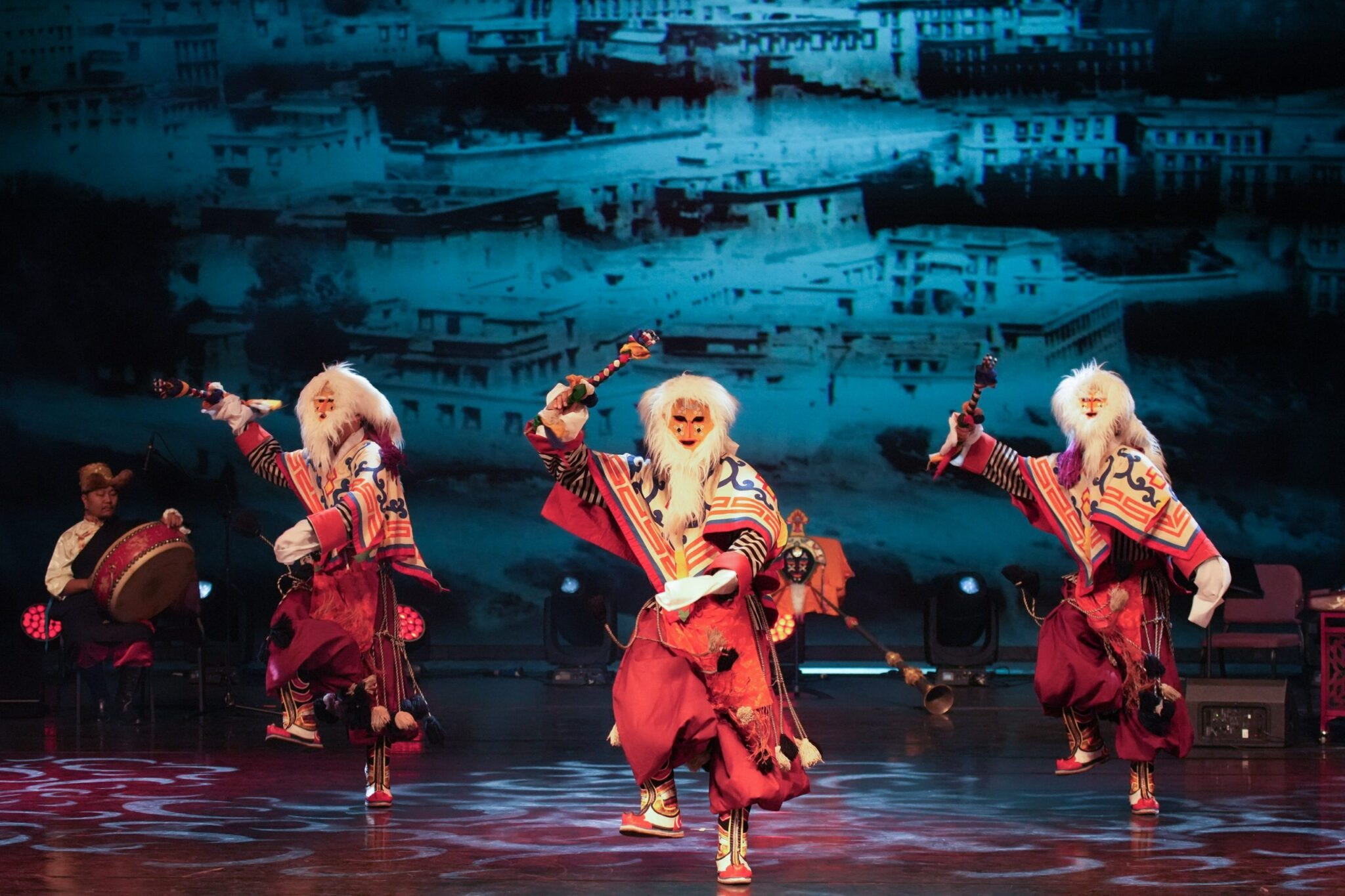
Dawa Tsering, the Representative of the Central Tibetan Administration in Taiwan, stated: “The Chinese government has changed the public’s perception of Tibetan culture, turning everything into praise for the Communist Party and alienating it from its roots. Tibetans regard traditional song and dance as something extremely important for protecting themselves and passing on their culture. From the very beginning of our exile in India, the first thing we did was implement democratic governance, and then we established monasteries, schools, Tibetan medical centers, and TIPA — all of which are regarded as the most important pillars for preserving Tibetan culture.
TIPA spreads the themes of Tibetan Buddhism — kindness, the elimination of evil, and the pursuit of world peace — and insists on remaining true to its origins. This includes the soaring, melodious chanting once heard in the mountain villages, expressing joy, anger, sorrow, and happiness, as well as costumes and ornaments made from yak and sheep hide. But the Chinese Communist Party’s usual tactic is to label Tibetan traditional dance, religion, and beliefs as superstitious, backward, and ignorant, while claiming that the changes it has brought to Tibet represent so-called civilization, enlightenment, science, and modernization. This is completely at odds with the truth, which is precisely why we must protect our own culture and arts. It is absolutely vital!”
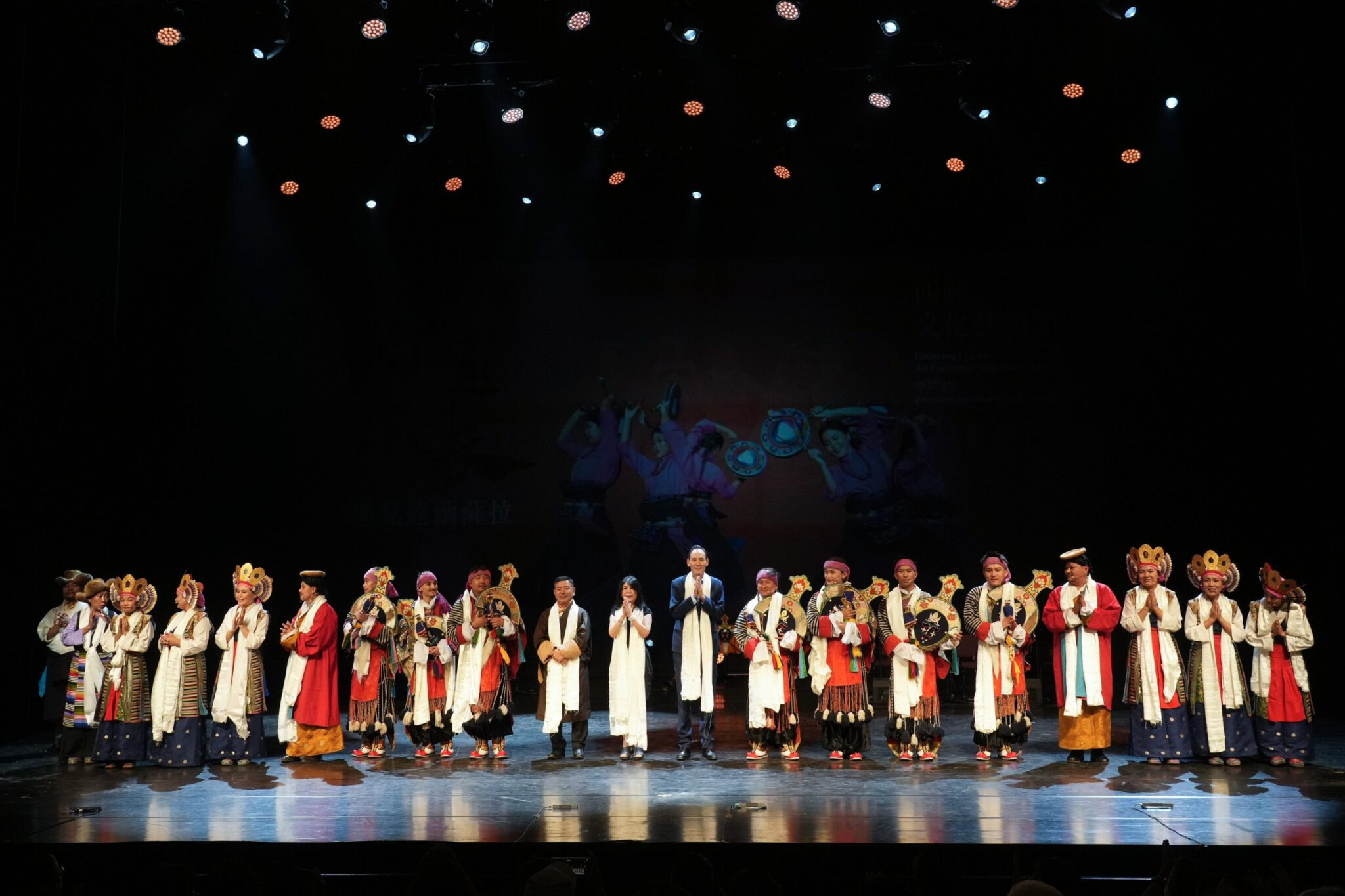
TIPA instructor Sangdan Dhundup explains that the distinctive character of Tibetan dance revolves around themes related to the Dharma and the edification of the human spirit. This includes conveying compassion, how to overcome the Three Poisons of Buddhism — greed, hatred, and delusion (that is, the human weaknesses of “greed,” “resentment,” and “stubbornness”) — as well as celebrating the mountain wind, water, and fire, protecting nature, how parents raise their children, how children show respect to their elders, the impermanence of life, and lyrics in praise of the Dalai Lama.
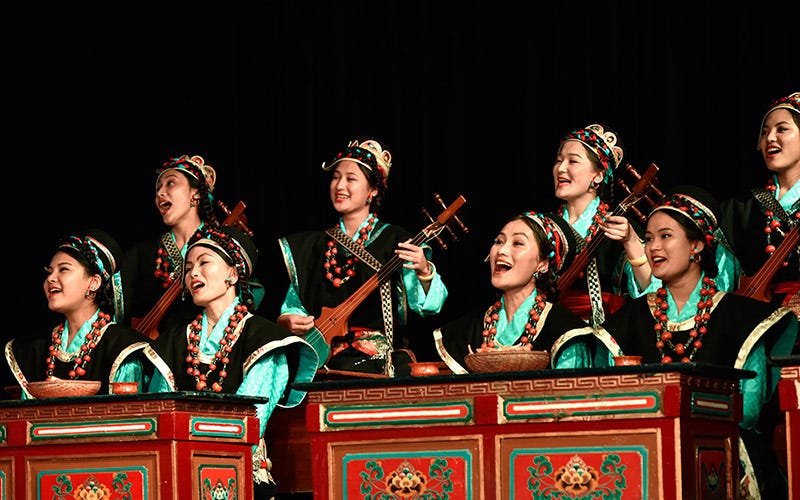
TIPA’s mission can be summarized in two broad directions. The first is preservation and transmission: Tibet has, since ancient times, been called the “Ocean of Song and Dance” (Glu gar gyi rgya mtsho), and dance and music have always been at the core of Tibetan culture, regarded as an important part of the traditional “Minor Five Sciences” (Rik ne Chungwa Nga). The second is outward dissemination: since its very first performance in Kalimpong in September 1959, TIPA has toured more than 36 countries worldwide, including participation in the 1960 Afro-Asian Conference, attended by 19 nations.
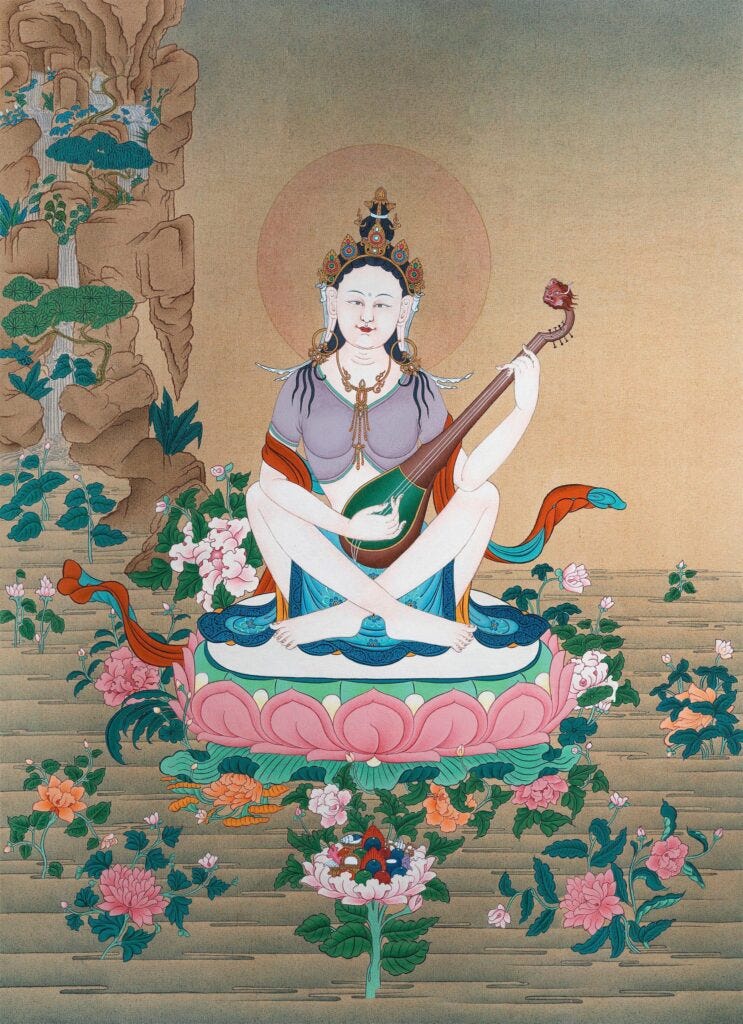
For reference, the Major Five Sciences (The Great Pañcavidyā) refer to: craftsmanship, medicine, linguistics, logic, and inner (Buddhist) philosophy. The Minor Five Sciences(Rik ne Chungwa Nga) refer to: rhetoric, poetics, prosody, dramaturgy, and astrology/calendrical studies.
Major Art Forms
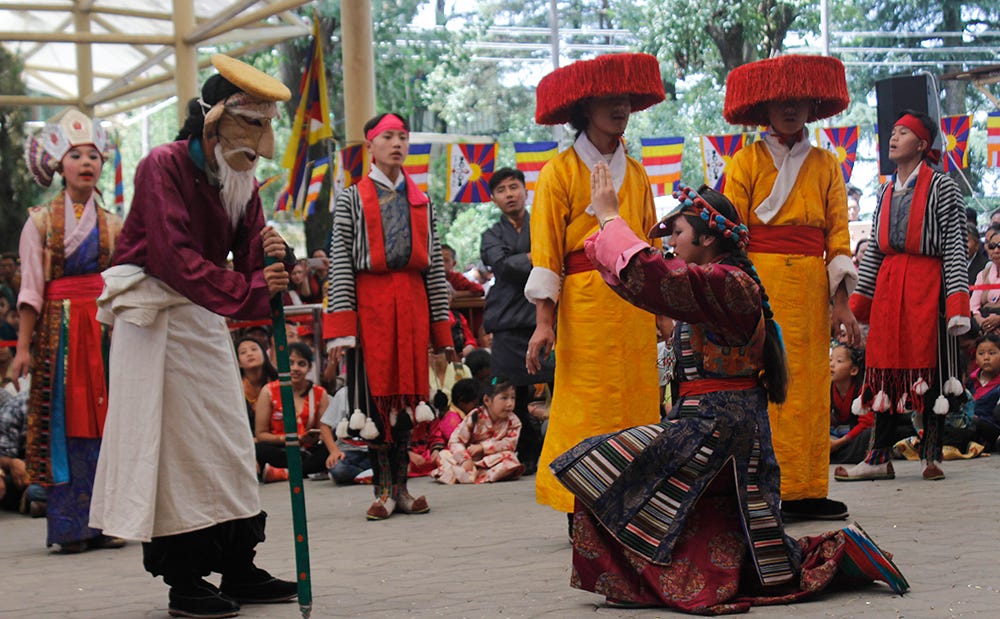
Tibetan Opera (Ache Lhamo)
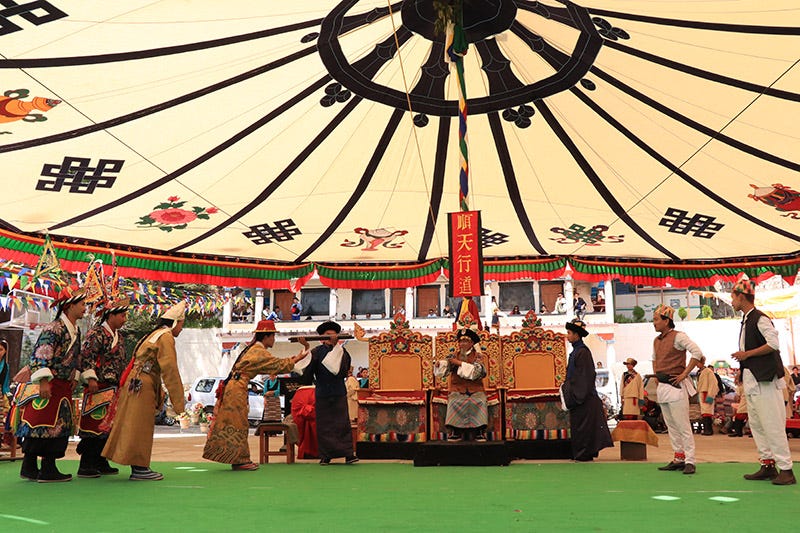
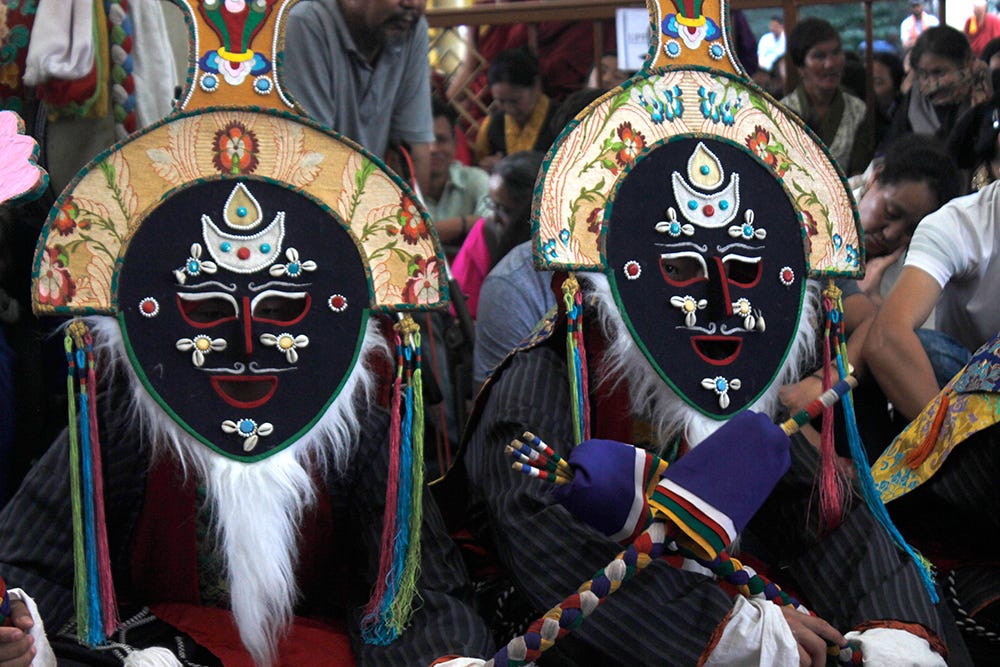
TIPA carries on the tradition of Tibetan opera (*Ache Lhamo*) — an art form created in central and southern Tibet in the 14th century by the yogi Thangtong Gyalpo. Under the guidance of various masters, the institute has fully preserved the traditional repertoire of three major troupes: Kyormulung, Chungpa, and Monru Ponsang. All professional performers are required to systematically study the Ache Lhamo styles of each school.
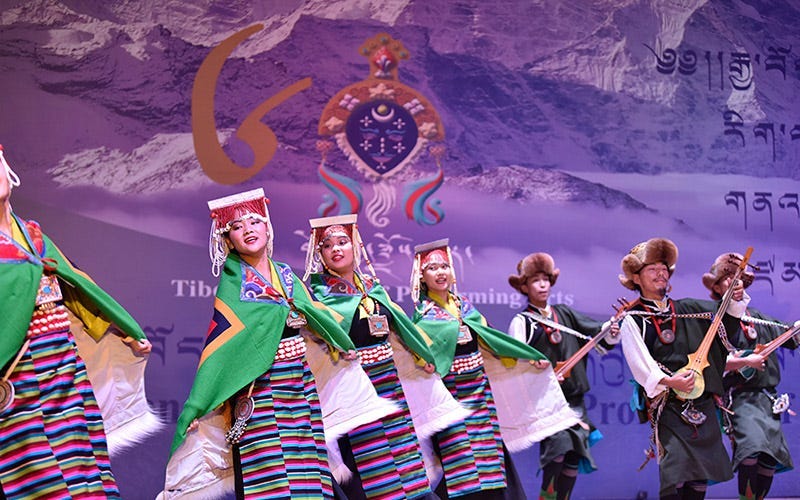
Folk Song and Dance
Students undergo rigorous training, systematically studying the traditional folk dances and music of Tibet’s three historic provinces — Ü-Tsang, Dokham (Kham), and Amdo — ensuring that the distinctive artistic styles of each region are preserved in their authentic, original form.
The Shoton Festival and the Tibetan Opera Festival
TIPA hosts the annual 10-day Shoton Festival, attracting audiences from around the world. The Institute also organizes the annual Tibetan Opera Festival (typically held in March or April), featuring performances by approximately 11 opera troupes from India and Nepal.
Arts Education and Talent Development
To date, more than 450 professional graduates have gone out into the world from TIPA. Many serve as dance and music teachers in Tibetan schools and communities across India, Nepal, Bhutan, Europe, and the Americas, becoming cultural ambassadors for the Tibetan exile community.
TIPA currently has more than 100 members, all of whom are Tibetan, drawn from exile communities in India, Nepal, and Bhutan. Anyone with a commitment to preserving Tibetan folk dance and drama may apply, and admission is granted upon passing written examinations and interviews.
TIPA stands as one of the most important institutions for the preservation of Tibetan culture. Successive leaders of the Central Tibetan Administration have held that TIPA not only serves a cultural function — countering the destruction of Tibetan culture, language, and religion under Chinese rule — but also a political one, winning international attention and support for the core issues of the Tibetan people.
In sum, over more than six decades of exile, TIPA has fully preserved Tibetan traditional performing arts and brought them to audiences around the world. It is both a guardian of Tibetan culture and a vital window through which the spirit and character of the Tibetan people are shared with the world.
相关链接🔗
Hymn to the Himalayas: Tibetan Music in New York City
文编:GD 校正: Wilson